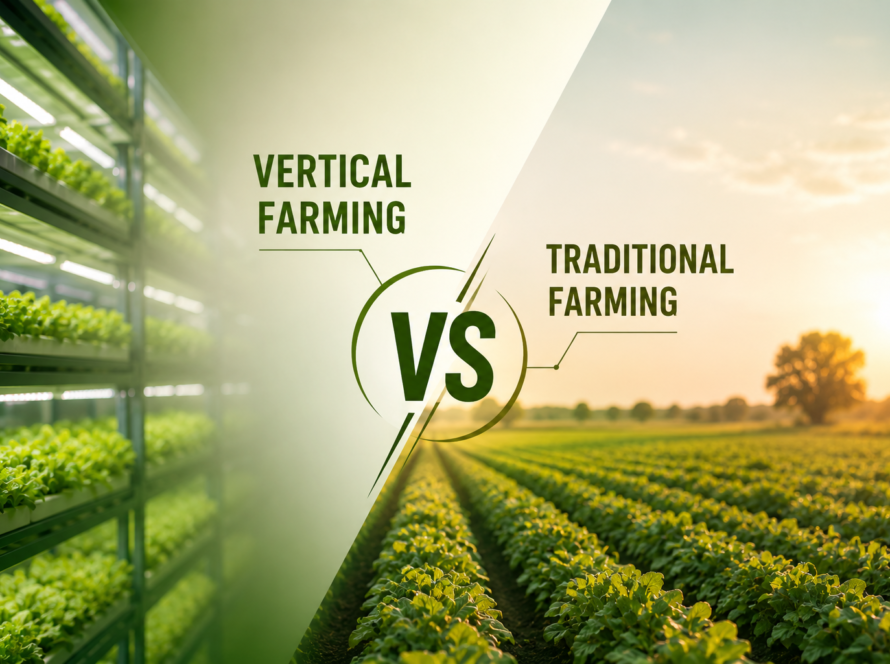
Investments in mushroom farming are gaining interest in India with the development of modern agriculture going beyond the conventional practice of growing crops on fields.
The cultivation of mushrooms takes place under controlled conditions involving fairly small growing areas, sophisticated machinery, and proper growing conditions.
For someone who wants to get involved in any kind of agricultural venture, knowing the entire process is far more important than just considering the investments required.
This article will take you through the entire process of mushroom farming investment in India in terms of various cost elements, cultivation process, pros, cons, and considerations prior to joining any venture.
What Is Mushroom Farming Investment?
Investment for mushroom farming means the financial resource necessary to start, run, expand or join in the process of mushroom cultivation.
The resources required for investment are flexible. A smaller project such as oyster mushroom cultivation utilizing simple structures may differ significantly from a bigger one having climate-controlled rooms and automated machinery.
The resources for investment may include:
- Growing room(s) or cultivation structures
- Mushroom cultivation equipment
- Racks for growing
- Mushroom spawn and growing media
- Temperature and moisture control
- Ventilation
- Irrigation or misting systems
- Labor and farm management
Consequently, the appropriate method of assessing an opportunity would be through its full-fledged project concept.
How Much Does Mushroom Farming Investment Cost in India?
The initial cost required for mushroom cultivation in India can vary substantially depending on the scale of the farm, variety of mushrooms, infrastructure, location, and method of cultivation.
For instance, in a case study conducted by the ICAR in the Punjab region, there was a project using a 1-kanal shed along with a semi-automatic AC unit and temporary shed. The cost required for setting up the above-mentioned project was ₹17 lakh. Its economics were recorded separately.
(Indian Council of Agricultural Research) ICAR has also recorded other mushroom projects, which used local material and production capacity. For instance, an oyster mushroom enterprise in Nagaland incurred the initial cost of around ₹12,000-₹15,000 per cycle. (Indian Council of Agricultural Research)
The examples cited above explain why the cost for mushroom cultivation project investments needs to be assessed individually rather than through one single figure.
Major Cost Components
Elements of a commercial project could include:
Infrastructure: Growth rooms, sheds, insulation, electrical facilities, storage, and many other facilities.
Equipment: Rack, humidifier, ventilation, temperature control, monitoring equipment, and sanitation equipment.
Inputs for production: Spawning, substrates, bags, packaging material, and other cultivation inputs.
Operational costs: Power, labor, water, maintenance, transport, and many other operating costs.
Marketing and distributionPackaging, storage, transport, and access to markets could also influence the overall economics.
Mushroom Farming Investment Process in India
The understanding of the process of production allows the potential candidates to get an idea about how their investment will be used.
1. Selection of Mushroom Species
There are various species of mushrooms that differ from one another in terms of cultivation requirements, for example, temperature, humidity, substrate, and growing system.
For instance, the ICAR mushroom production guidelines state the environmental requirements for growing oyster mushrooms and paddy straw mushrooms. (ICAR-CIWA)
2. Preparation of Growing Environment
This step involves preparing the environment of cultivation to be appropriate for the chosen species of mushroom. Temperature, humidity, ventilation, lighting, and sanitization can all be involved depending on the model of production.
3. Preparation of Growing Substrate
Substrate or growing medium is prepared according to the specific requirements of chosen mushroom and its growing conditions.
4. Inoculation and Growth
Spawn is added to the prepared medium, after which the cultivation environment will be controlled during the whole period of cultivation.
Temperature, humidity, ventilation, cleanliness, and moisture may be controlled regularly.
5. Harvesting and Post-harvest Operations
After reaching the harvesting stage, mushrooms are harvested, graded, packed, stored and distributed according to the marketing strategy of the project.
What Factors Affect Mushroom Farming Investment?
A number of factors can greatly affect the capital and operational needs of a mushroom business.
Type of Mushroom
Each mushroom has its own set of requirements when it comes to the environment and its cultivation. The requirements for building a climate-controlled button mushroom farm can be quite different from an oyster mushroom enterprise.
Size of the Farm
The larger the facility, the more capital, machinery, manpower, and operational requirements there will be.
Technology
Basic mushroom cultivation can be done using basic technology whereas new-age farms make use of sensing, automatic temperature control, environmental monitoring systems and machinery.
Location
Location can affect capital, electricity, water, labor, transportation, and markets.
Production Mode
Requirements of a farm that produces mushrooms for local markets can be quite different from one that supplies retailers, restaurants, wholesalers, and processors.
Benefits of Mushroom Farming in India
There are various features about mushroom farming which make it applicable in contemporary agriculture.
Effective Space Utilization
Mushrooms can be cultivated indoor and multi-level shelves can help in organizing mushroom cultivation in the space available.
Controlled Cultivation
The environment for cultivation can be controlled based on the need of the mushroom variety chosen.
Agricultural Diversification
This method of cultivation is an alternative method for diversifying the agricultural activities.
Utilization of Agricultural Waste
Some methods of mushroom cultivation utilize agricultural waste as substrate materials. There have been projects of oyster mushrooms using locally available substrates like paddy straw according to ICAR. (Indian Council of Agricultural Research)
Integration of Technology
Contemporary mushroom farms can include monitoring technology, climate control technology and other technological elements.
To get more information regarding the technology used, please visit our guide on Mushroom Farming Equipment.
Is Mushroom Farming Profitable in India?
Mushroom farming can be economically viable, but profitability is not guaranteed. Results depend on production efficiency, crop yield, selling prices, operating costs, market access, and farm management.
ICAR case studies illustrate that outcomes can vary substantially between farms and production models. For example, documented oyster mushroom enterprises have generated positive returns under specific local conditions and management practices. (indian council of agricultural research)
This means projected returns should not be treated as guaranteed results.
Anyone evaluating a mushroom farming investment should examine actual project assumptions, production data, operating expenses, market strategy, and associated risks.
Key Risks to Consider Before Investing
These agricultural ventures carry some risks, which need to be known prior to making any investments.
These are:
- Contamination of crops or crop diseases
- Temperature and humidity changes
- Failure of equipment
- Electricity and cost of operations
- Availability of labor
- Perebility of fresh mushrooms
- Changes in market prices
- Transportation and storage
- Management skills
Technical skills, quality spawn, infrastructure, labor, capital, and marketing have been found by ICAR to be some of the problems associated with mushroom businesses. (Indian Council of Agricultural Research)
Mushroom Farming Investment and Modern Agriculture
Development of controlled farming is also one aspect of a larger shift towards a modern approach to agriculture supported by technology.
A mushroom farm can integrate agricultural skills, environmental monitoring, equipment, facilities for growing mushrooms, and management.
This concept can also be associated with other approaches to modern agriculture. Find out more about this general topic in our guide on Vertical Farming: Complete Guide to Modern Agriculture.
For those who are interested in business aspects of mushroom farming, we recommend our Mushroom Farming Business guide.
How to Evaluate a Mushroom Farming Investment Opportunity
Prospective investors should assess the total opportunity before engaging in the project.
One may want to consider:
- Project structure – Determine the structure of the farming project.
- Cultivation technique – Determine the types of mushrooms and cultivation methods.
- Infrastructure – Consider the cultivation facility and equipment.
- Management – Determine who operates the farm on a daily basis.
- Financial structure – Look into the financing needs, costs, and terms.
- Marketing plan – Determine how the mushrooms will be marketed and distributed.
- Risks and liability – Look into the conditions and risks involved in the participation.
- Documents – Evaluate all the relevant documents about the project before deciding.
Such due diligence becomes especially relevant when assessing an investment opportunity and not the operation of the mushroom farm itself.
Desi Fasal and Mushroom Farming Investment
Desi Fasal aims at organic farming techniques of modern cultivation of various mushrooms and saffron crops.
The project has been made keeping in mind the modern agricultural practices along with the professional cultivation techniques. Individuals who are looking forward to know more about the Mushroom Farming Investment option may view the project details along with the terms applicable.
The aim is to help interested individuals get acquainted with an agricultural project.
Conclusion
Investment in mushroom farming in India may also be considered within the framework of increased interest in modern agriculture, cultivation control, and diversification of agricultural activities. But, there is no universal figure of investment and guaranteed returns for each mushroom farming business.
In fact, the economics of the business depends upon many other factors like variety of mushrooms cultivated, infrastructure, size of production, equipment, cost of operation, market connections, and management. So, one should thoroughly analyze the project before investing money.
At Desi Fasal, we emphasize modern cultivation of mushrooms and saffron in an organic way. Learn more about the Desi Fasal project and its structure and terms of investment.
FAQs
1. What is the investment required for mushroom farming in India?
There is no specific figure. The investment needed can vary from low-cost setup to a commercial setup that requires considerable infrastructure and equipment. It all depends upon the type of mushrooms to be grown, scale of operation, etc.
2. Is mushroom farming profitable in India?
It is economically viable, however, depending on the circumstances of production and marketing; it can also be non-profitable.
3. What are the factors influencing the cost of mushroom farming investment?
Cultivation infrastructure, type of mushrooms, growing equipment, temperature control system, labor, raw materials, electricity, packaging, transportation, and production scale are the most important.
4. What equipment is needed for mushroom farming?
It varies according to the mode of cultivation. Some of the most common equipment includes growing racks, temperature and humidity measuring devices, ventilation devices, mist system, watering devices, etc.
5. What should I do before investing in mushroom farming?
Before taking such a decision, I would review its structural and technical details, infrastructure requirements, cultivation method, management of the project, finance terms, market strategy, risks involved, and documents related to the same.