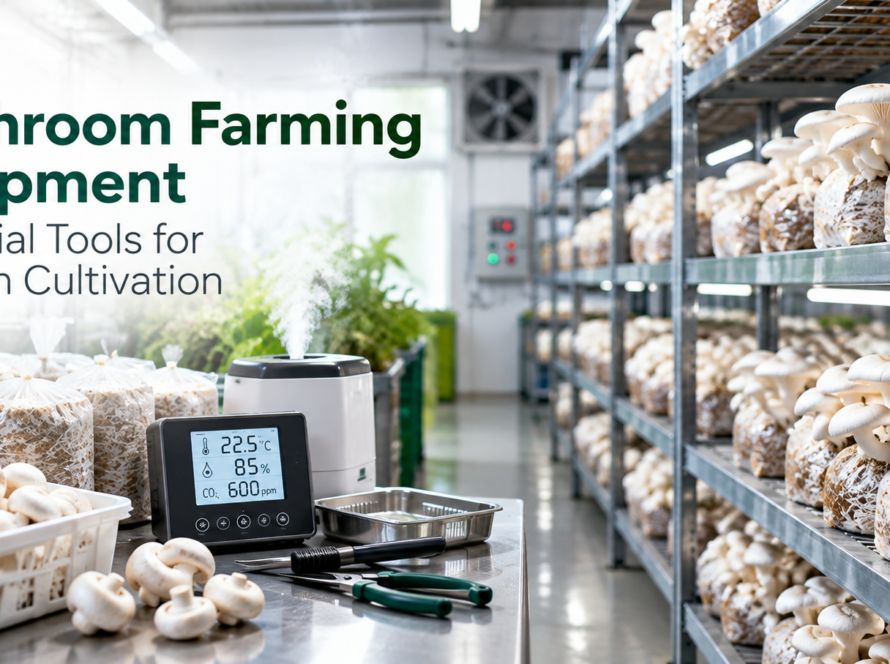
Setting up a Mushroom Farming Business can be a very exciting proposition for the novice farmer in the agriculture/commercial crop farming sphere. One of the first decisions you have to make is what type of mushroom you’re going to grow. That is of course a very significant decision as the various types of mushroom have quite different temperature requirements, different growing media, different infrastructure requirements and different methods of cultivation.
Oyster, button and milky mushrooms are some of the mushrooms which are commercially grown in India. Each of them has its own merits depending on the climate, the investment capacity, the area of growth and the customer preference in that area.
Generally most of the new farmers will start with oyster mushrooms. You can grow oyster mushrooms on agricultural waste (paddy straw etc) and they don’t require the kind of infrastructure that button mushrooms do. In a warm climate you could look at milky mushrooms and in a cool climate you could look at button mushrooms.
Let’s look at the differences between them to help you decide.
1. Oyster Mushroom: A Practical Choice for Beginners
Oyster mushrooms (or Dhingri mushrooms) are a common type of mushroom to cultivate as they have easy growing requirements. They can be grown on agricultural waste such as paddy and wheat straws.
Why they’re good for beginner growers:
- Easy to grow: they can be grown using pre-prepared agricultural waster and growing bags.
- Flexible growing options: Different oyster mushroom species are adapted to different temperature ranges.
- Require less complex equipment: many can be grown in a suitable growing room without the need for an expensive cooling system.
- Can be grown in smaller areas: beginner growers can get started with a few growing bags and increase their amount.
- Can be harvested multiple times: with proper management they can be harvested multiple times.
Growing conditions:Most commonly grown oyster mushrooms can be grown between around 20-30 degrees Celsius. The optimum temperature will depend on the species and strain being used however humidity, airflow and cleanliness will also need to be carefully managed.
When to choose oyster mushrooms: Oyster mushrooms are a good choice if you’re new to growing, have access to agricultural waste, want to see what demand there is locally or want to learn how to grow mushrooms before investing into more complex equipment.
2. Button Mushroom: A Popular Commercial Variety
Button mushrooms are an easily recognizable mushroom type used in many areas of the Indian market including retail, supermarkets, food service and restaurants. Due to their recognisable appearance and popularity among customers, they can be tempting for commercial producers.
However, to grow button mushrooms generally requires more specialist methods than oyster mushrooms.
What makes button mushrooms different?
- Composting: Button mushrooms require proper compost.
- Casing: Button mushrooms require a suitable casing material after spawning.
- Temperature: Button mushrooms generally require a cooler environment to fruit, usually 16-18°C.
- Environmental Control: Growing rooms may require cooling, ventilation and humidification.
- Technical knowledge: Composting, cleanliness and monitoring.
Who would they be suitable for?
This variety could be suitable for beginner mushroom growers that have access to the right technical knowledge, enough investment and cooler seasons/temperature controlled rooms.
If you want to learn more about how to cultivate button mushrooms please take a look at our guide to button mushroom farming.
3. Milky Mushroom: Suitable for Warmer Indian Regions
Another commercially available variety is milky mushrooms. These are great for warmer regions of India and are suited to tropical growing conditions.
Most of the time they are grown on pasteurized agricultural by-products. Casing is then applied after spawning.
The benefits of growing milky mushrooms are:
- Warm-climate suitability: They can be cultivated under relatively warm conditions.
- Agricultural residue utilisation: Paddy straw and other suitable materials can be used as growing substrates.
- Distinct appearance: Their white colour and firm texture help differentiate them in the market.
- Post-harvest potential: They can have a longer shelf life than some other commonly cultivated fresh mushroom varieties under suitable handling and storage conditions.
Growing conditions: Generally grown at warm temperatures (often between 25-35 degrees dependent on growth stage and strain). They need to be grown in the correct humidity with casing.
Who should choose milky mushrooms: If you are a beginner looking to start Mushroom Farming Business in a warmer region and can provide the correct growth conditions, have knowledge of casing and customers looking for this variety, then these could be a good choice for you.
4. Oyster vs Button vs Milky Mushroom: Which Is Better?
Before choosing a variety, compare their basic cultivation requirements.
| Factor | Oyster | Button | Milky |
| Beginner suitability | Generally high | Requires more technical knowledge | Moderate |
| Growing material | Agricultural straw | Prepared compost | Agricultural straw |
| Temperature preference | Varies by species, commonly 20–30°C | Cool fruiting conditions, around 16–18°C | Warm conditions, around 25–35°C |
| Casing requirement | Generally not required | Required | Required |
| Infrastructure | Relatively simple | More specialised | Moderate |
| Climate suitability | Depends on species and season | Cooler conditions or controlled rooms | Warmer conditions |
| Key consideration | Species-specific temperature and ventilation | Compost and cooling management | Casing and warm-climate management |
These are general cultivation comparisons. Actual requirements can vary with mushroom strains, production methods and local environmental conditions.
5. How to Choose the Right Mushroom for Your Location
The best mushroom for your Mushroom Farming Business depends on more than cultivation difficulty. Your local climate, resources and potential buyers should influence the decision.
Things to consider:
1. Climate: What climate prevails at the area that you intend to start your mushroom farm? You want to find a suitable variety of mushroom which doesn’t require expensive climate control systems.
2. Budget: What is your budget for growing rooms, farming equipment, spores and the raw materials? It would not be prudent to establish expensive farming structure that requires costly maintenance without knowing your budget constraints.
3. Market research: Try visiting some of your local vegetable markets, supermarkets and restaurants to see what type of mushrooms people are demanding frequently.
4. Availability of raw materials: Are there raw materials like paddy straw and wheat straw that you can use in your farm?
5. Learn the cultivation process: Consider attending practical training or consulting agricultural experts before starting Mushroom Farming Business.
6. How Should Beginners Start a Mushroom Farming Business?
Once you have selected a suitable variety, begin with a small and manageable production trial rather than immediately investing in a large commercial facility.
Follow these steps:
- Select one mushroom variety: Start with a variety that matches your climate, infrastructure and local demand.
- Arrange quality spawn: Purchase spawn from a reliable supplier or recognised agricultural institution.
- Prepare the growing space: Clean the room and arrange suitable racks, growing bags, ventilation and moisture-management facilities.
- Learn substrate preparation: Follow the recommended pasteurisation, composting or other treatment method for your selected variety.
- Monitor crop development: Observe temperature, humidity, ventilation and signs of contamination.
- Test the local market: Speak with potential buyers before increasing production.
- Evaluate the first crop: Record production, expenses, saleable quantity and customer feedback before planning expansion.
Starting small helps you gain practical experience and understand the challenges of cultivation before committing more resources.
7. Common Mistakes Beginners Should Avoid
Even with the right mushroom variety you may find you are left with disappointing results if you do not manage the growing process correctly.
Avoid the following mistakes:
- Choosing the wrong variety for your temperature conditions
- Using low quality or contaminated spawn
- Not preparing the substrates and keeping them clean.
- Investing in high quality equipment without testing production.
- Growing mushrooms without knowing who may buy them.
- Thinking all varieties have the same requirements.
- Expanding your production without knowing your real costs and what the market will support.
By carefully planning and having practical training you can help to avoid these problems.
Conclusion
One of the most important decisions to make when starting your Mushroom Farming Business is which variety of mushrooms to cultivate. Oyster mushrooms are often a good place to start due to the simplicity involved in growing them and the use of agricultural waste. Milky mushrooms may be suited to warmer climates whereas button mushrooms may be a better choice if you have access to cooler environments.
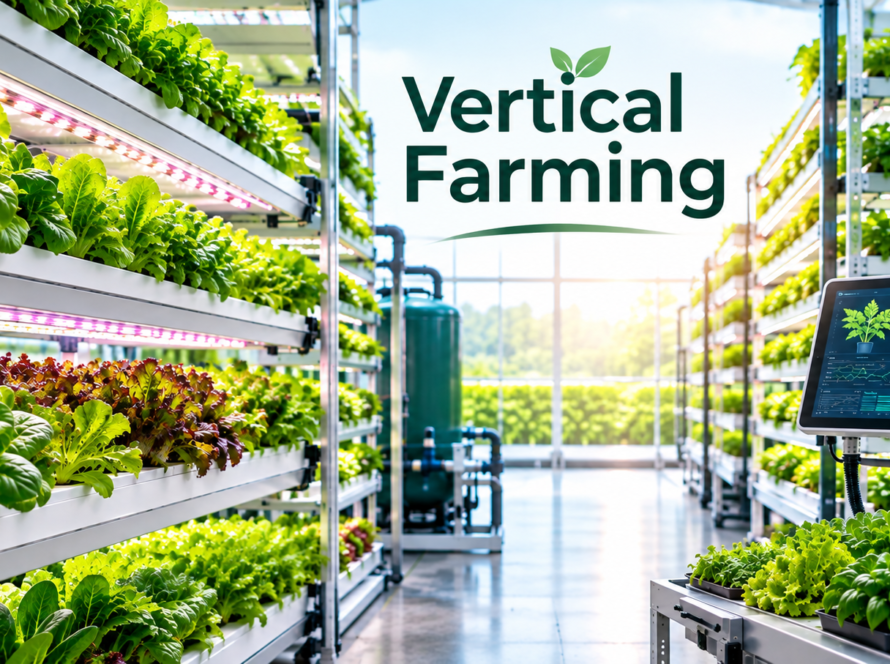
Before making an investment, evaluate your local climate, available resources, technical knowledge and market demand. At Desi Fasal, you can explore modern agricultural opportunities focused on sustainable mushroom farming and advanced vertical farming
practices. Starting with a manageable production trial and learning from actual results can help you build a stronger foundation for commercial mushroom cultivation.
Frequently Asked Questions (FAQs)
1. Which mushroom is best for beginners in India?
Oyster mushrooms are generally a good option for a beginner, as they can be grown using agricultural waste and also often don’t need as much infrastructure. The correct species will depend on your local temperatures and conditions.
2. Which mushroom is easiest to grow commercially?
Oyster mushrooms are often considered easier to cultivate than button mushrooms because their substrate preparation and infrastructure requirements can be simpler. Proper spawn quality, hygiene and environmental management are still essential.
3. Can I start a mushroom farming business at home?
Yes. Beginners can start with a small, clean and suitably ventilated growing space. However, they must maintain the temperature, humidity and hygiene requirements of their selected mushroom variety.
4. Which mushroom grows best in hot weather?
Milky mushrooms are adapted to warm tropical conditions and are commonly cultivated at temperatures around 25–35°C, depending on the cultivation stage and strain. Certain heat-tolerant oyster and paddy straw varieties may also be suitable.
5. Is button mushroom cultivation suitable for beginners?
Yes, but it generally requires more technical knowledge, properly prepared compost, casing material and cooler fruiting conditions. Beginners should receive practical training and assess infrastructure costs before starting.
6. How do I select the right mushroom variety for commercial farming?
Compare local climate, growing infrastructure, raw material availability, cultivation knowledge, production costs and market demand. A small trial crop can help you evaluate the suitability of a variety before expanding.
7. Can I grow different mushroom varieties in the same farming facility?
It is possible, but different varieties may require different temperatures, humidity levels, substrates and cultivation procedures. Separate growing rooms or carefully planned production schedules can help maintain suitable conditions.