involves the cultivation of crops in vertical layers, rather than cultivating on large areas of horizontal land. With the help of technology and good planning of space usage, this method is gaining importance as a component of modern farming methods.
With the growing need for sustainable farming practices and technologically advanced farming techniques, vertical farming can be used as one such way to cultivate certain crops indoors. This guide will provide information about this method, its systems, advantages, disadvantages, technology, and significance in the future of farming.
What Is Vertical Farming?
This cultivation method involves plants are raised on different levels. Such methods can be adopted in buildings, greenhouses, warehouses, or other special structures developed for agriculture.
Whether soil, water, or another medium will be used depends on the configuration of the structure being adopted. This method of farming aims at improving the efficiency of the use of space while offering more control over the environment.
Unlike traditional farming, where most of the environmental conditions cannot be controlled, in this system, such parameters like humidity, temperature, light, water, nutrients, and air flow can be controlled.
How Does Vertical Farming Work?
A vertical farm combines growing structures with systems designed to maintain suitable conditions for crop growth.
Growing on Multiple Levels
These plants are planted on multi-level racks, shelves, towers, or other structures with growing levels at different heights. The grower can make use of vertical space instead of horizontal space only.
The number of levels is dictated by the crop variety, the grow structure, lighting conditions, accessibility, and the environment.
Controlled Environment
The temperature, humidity, air movement, and lighting can be controlled according to the crop needs. This is a highly controlled environment as opposed to the traditional farming practice outdoors.
Water and Nutrient Delivery
Some growing systems feature precision water and nutrient delivery. In hydroponics and other soilless farming methods, nutrients are supplied directly to the root system of the plants.
Monitoring
Monitoring systems can check and record environmental parameters. Advanced farms can even automate irrigation, lighting, ventilation, and climate control systems.
Types of Vertical Farming Systems
There are several types of systems used for vertical cultivation, with each having different requirements.
Hydroponic Growing Systems
In hydroponics, plants are grown without the use of soil but instead using nutrients delivered through water. The process becomes more efficient when used together with stacked facilities.
Aeroponic Systems
This is where plants are suspended and nutrients supplied to them via a mist. It is a more technical system requiring precision in controlling equipment and the surrounding environment.
Aquaponic Systems
Aquaponics involves growing both fish and plants in a water-based system. The process involves managing water and utilizing nutrients produced within the water environment.
Soil-Based Systems
It is not necessary for this method to be conducted using hydroponics or aeroponics. There are vertical farming systems using soil or other mediums in containers stacked vertically.
What Crops Can Be Grown in Vertical Systems?
Vertical farming is better suited to certain crops than others. Crop selection depends on the plant’s growth characteristics, environmental requirements, production cycle, and economic feasibility.
Common examples include:
● Leafy greens
● Herbs
● Microgreens
● Certain vegetables
● Some fruits
● Mushrooms and other suitable crops
Before choosing a crop, growers should consider production requirements, available infrastructure, market demand, and whether the crop can perform well in a vertical environment.
Benefits of Vertical Farming
Efficient Use of Space
Another key advantage offered by this approach is that it involves the usage of multiple levels for growth.
Controlled Growing Conditions
It is possible to have better control over the environmental parameters. It may assist in creating consistency during the whole process of crop cultivation.
Resource Management
Effective water and nutrient distribution and controlled irrigation systems can help to achieve proper management of water and nutrients. Recirculation of water is often employed. However, efficiency in resource management depends on various other factors.
Reduced Exposure to Weather
Indoor or protected vertical farms will provide protection from some of the outdoor weather conditions. However, appropriate controls should be implemented in any case.
Urban Farming Potential
Vertical farming can be implemented in places where there is not enough space for traditional agriculture.
Challenges of Vertical Farming
Despite the many benefits of this approach, there are also some problems associated with it.
Infrastructure: The racks, lights, irrigation, ventilations, and climate control systems must be thought through carefully.
Energy needs: Indoor farms might require energy for lighting, cooling, heating, pumps, and ventilations.
Knowledge of the technicalities: The farmer requires knowledge of the needs of the crops and of the environment management.
Maintenance: The sensors, the pumps, the lights, and the climate control systems need to be checked on a regular basis.
Crop suitability: All crops may not suit these systems; hence, the selection of the crop becomes important.
Understanding these factors before establishing a farm can help create more realistic production plans.
Role of Technology in Vertical Farming
The technology used in these systems is essential in controlled agriculture. The technology allows one to keep track of the temperature, humidity, lighting and other environmental factors, as well as helps to manage irrigation and lighting of the crops.
The information obtained through such technologies will help to identify any changes in the environment and take necessary decisions.
The fusion of agriculture and technology leads to the development of high-tech agriculture. However, it is only one of the aspects of the process. Knowledge of crops, hygiene and monitoring are equally important for cultivation.
Vertical Farming vs Traditional Farming
Conventional agriculture typically employs horizontal agricultural land, whereas vertical agriculture makes use of stacked plant-growing zones and may be able to work in controlled environments.
Vertical agriculture may prove beneficial in situations where space is restricted or environmental control is required. Conventional agriculture, on the other hand, continues to be relevant and essential for crops which need large-scale outdoor growing space.
It all comes down to the needs of specific crops, climatic conditions, available resources, etc.
Vertical Farming in India
Farming in India using this technology has been gaining much popularity as farmers and agriculture-based companies look for modern and space-saving ways of producing crops.
Agricultural environment in India is quite different across various geographical locations. As such, vertical farms must be designed based on the prevailing conditions and needs of the farm, energy sources, available water supply, and other factors.
For commercial purposes, farmers should consider all aspects of production prior to investing in equipment or infrastructure. Right choice of the crop and design is very important.
How Vertical Farming Is Changing the Future of Agriculture
The concept of stacked cultivation is an example of how farming moves towards more control through the use of technology. It enables the grower not to rely exclusively on nature when managing certain aspects of the farm’s environment.
It does not seem realistic for the future of agriculture to hinge on a single farming technique. Conventional farming, protected agriculture, hydroponics, stacked growing systems, etc., can all have their purposes.
It is possible that sustainable agriculture and intelligent technology will lead to the emergence of farming systems which prioritize resource and space efficiency.
Vertical Farming and Mushroom Cultivation
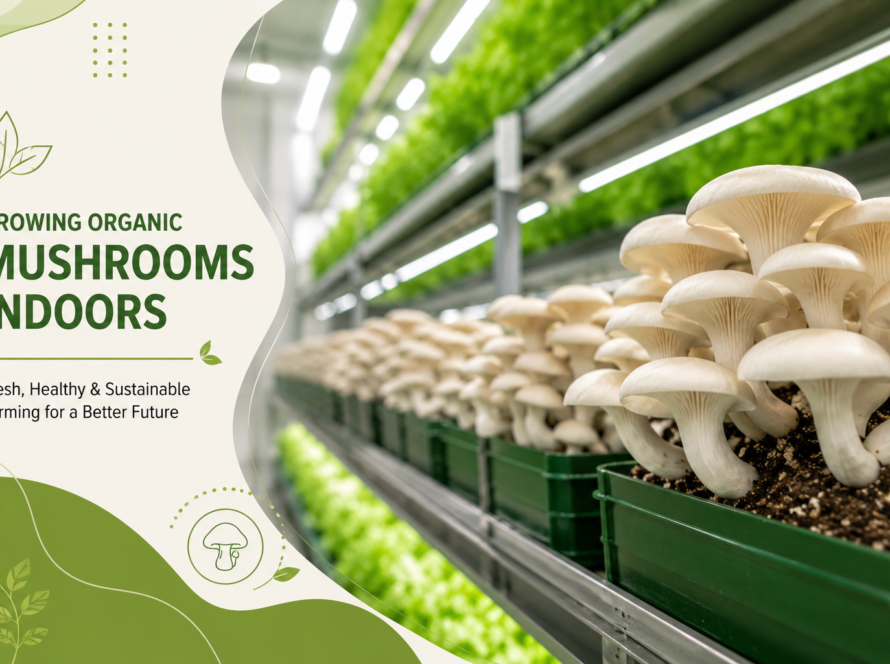
The concept of vertical growth can also be adopted in mushroom growing, especially in an indoor setting where there could be racks for growth at different levels.
In the growing of mushrooms, it is important to properly manage aspects like humidity, temperature, ventilation, and cleanliness. Growing area design will help in organizing and using the space efficiently.
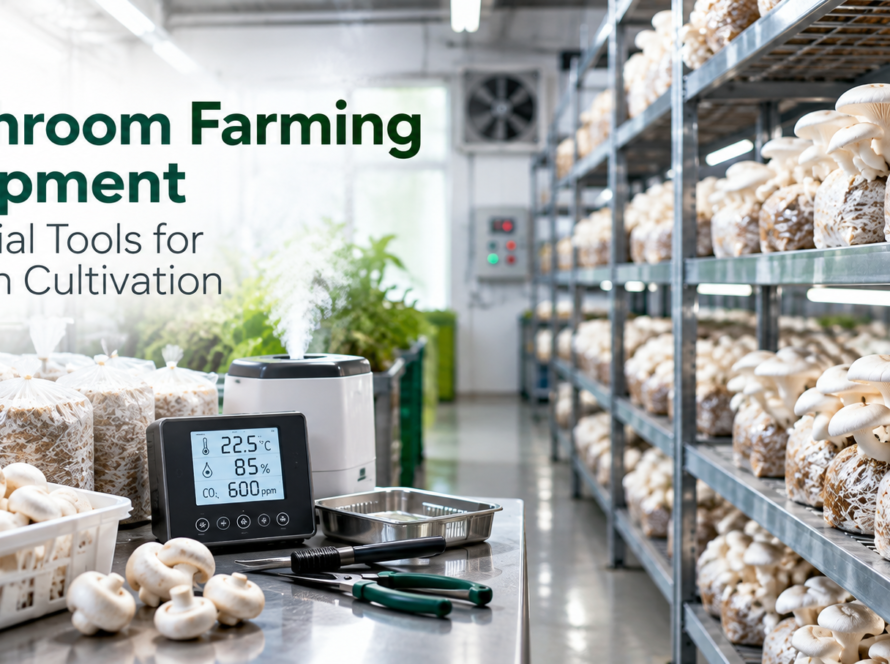
To know more about the equipment required in growing mushrooms, you may refer to our guide on Mushroom Farming Equipment.
Conclusion
Vertical farms make use of effective space management, precise growing conditions, and advanced technology to form a viable way for farming produce. With various forms of hydroponics, aeroponics, and even soil-based stacked systems, these systems can be adapted according to the kind of crop to grow.
However, while vertical farming presents several advantages, it still needs to be planned carefully, and involves several other aspects that need to be taken into account. Its viability is largely dependent upon the type of crop and other factors involved.
Desi Fasal takes pride in its mushroom and saffron cultivation through organic means, which aligns well with the concept of modern and sustainable farming practices and agriculture. Learn more about our farming venture at Desi Fasal.
FAQs
1. Explain vertical farming.
It refers to the technique of growing crops in vertically arranged layers through controlled environmental and resource management techniques.
2. What are the various types of vertical farming?
There are several types including hydroponic, aeroponic, aquaponic and vertical farming system with the use of soil. The type that will be used would depend upon the crop that needs to be grown.
3. What are the advantages of vertical farming?
Some of the key advantages include efficient space usage, controlled environment and resource management. It may also be possible to grow crops where there is no agricultural land.
4. Is it possible to have vertical farming in India?
Yes, but depending upon the climate, crops to be grown, availability of infrastructure, electricity, water and market, vertical farming should be planned.
5. Is it possible to grow mushrooms in vertical farming system?
Yes, since the indoor mushroom production can be done using vertical racking technique.