Agriculture is entering a new era where technology and sustainability are transforming the way food is produced. While traditional farming has been the backbone of food production for centuries, modern innovations such as vertical farming are changing the future of agriculture. Investors, entrepreneurs, and farmers are increasingly asking one important question: Which farming method is more profitable?
The answer depends on factors like crop type, available resources, and farming goals. However, for high-value crops such as mushrooms, vertical farming is proving to be a game-changer.
Understanding Traditional Farming
Traditional farming involves growing crops on open agricultural land using natural sunlight, rainfall, and seasonal weather conditions. This method is suitable for crops like wheat, rice, maize, and vegetables. While it remains essential for feeding the world’s population, traditional farming faces several challenges, including unpredictable weather, water shortages, pest attacks, and fluctuating market prices.
Farmers also depend heavily on fertile soil and favorable climatic conditions. A single drought, flood, or disease outbreak can significantly affect production and profitability.
What Makes Vertical Farming Different?
Vertical farming is a modern agricultural system where crops are grown in vertically stacked layers inside controlled environments. Advanced technologies regulate temperature, humidity, lighting, and irrigation, allowing crops to grow throughout the year regardless of external weather conditions.
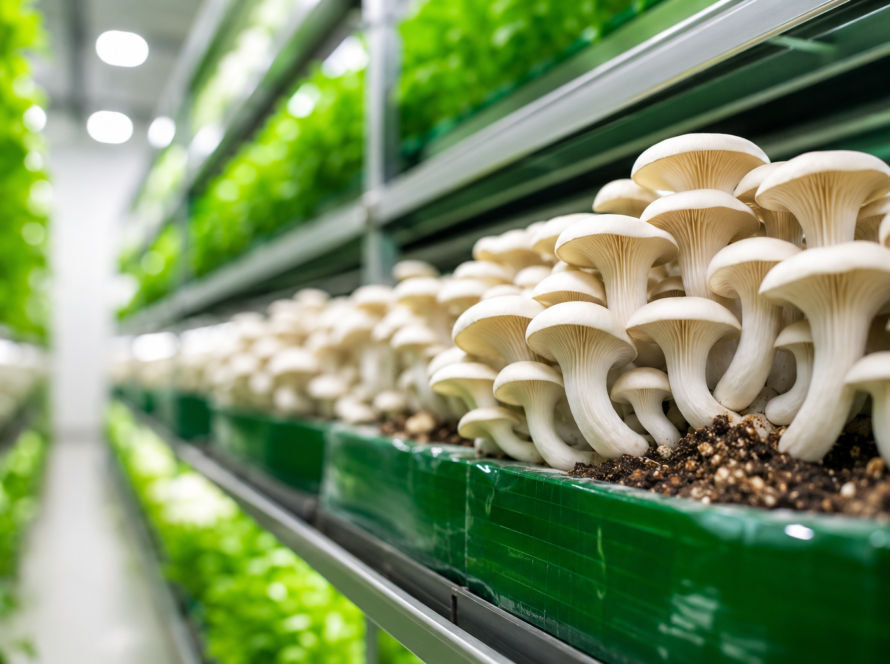
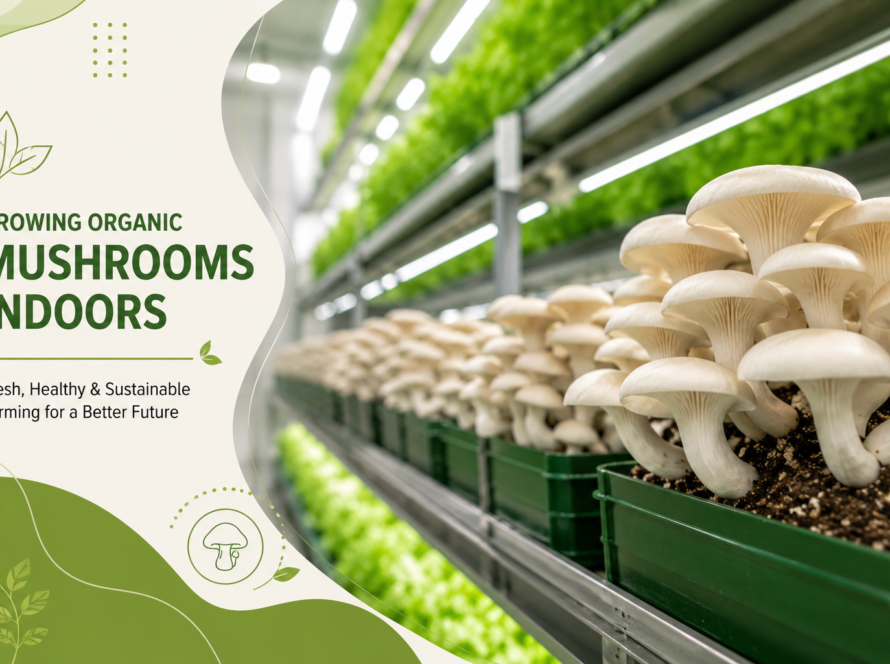
One of the most successful examples of vertical farming is mushroom farming. Since mushrooms naturally thrive in controlled environments, they are perfectly suited for this farming method. A modern high tech mushroom farm can produce multiple harvests annually while using much less land and water than traditional agriculture.
Profitability Comparison
The biggest advantage of vertical farming is its ability to maximize production in a limited space. Unlike traditional farms, where crops are grown on a single layer of land, vertical farming mushrooms utilize multiple shelves or racks, increasing production per square foot.
Modern mushroom cultivation also benefits from faster crop cycles. Commercial varieties such as button mushroom cultivation, oyster mushroom cultivation, ganoderma mushroom farming, and cordyceps militaris mushroom cultivation can generate regular harvests throughout the year, creating consistent income opportunities.
Although vertical farming requires a higher initial investment in infrastructure and climate-control systems, the long-term returns are often greater due to higher productivity, premium-quality produce, and reduced crop losses.
Sustainability and Resource Efficiency
One of the greatest strengths of vertical farming is efficient resource management. Traditional farming consumes large quantities of water and is highly dependent on changing weather patterns. In contrast, vertical farming uses advanced irrigation systems that significantly reduce water consumption.
Modern cultivation technology of mushroom also minimizes the use of pesticides and chemicals, making organic mushroom cultivation more practical and environmentally friendly. Consumers are increasingly willing to pay premium prices for healthy, chemical-free produce, making organic farming mushroom projects even more profitable.